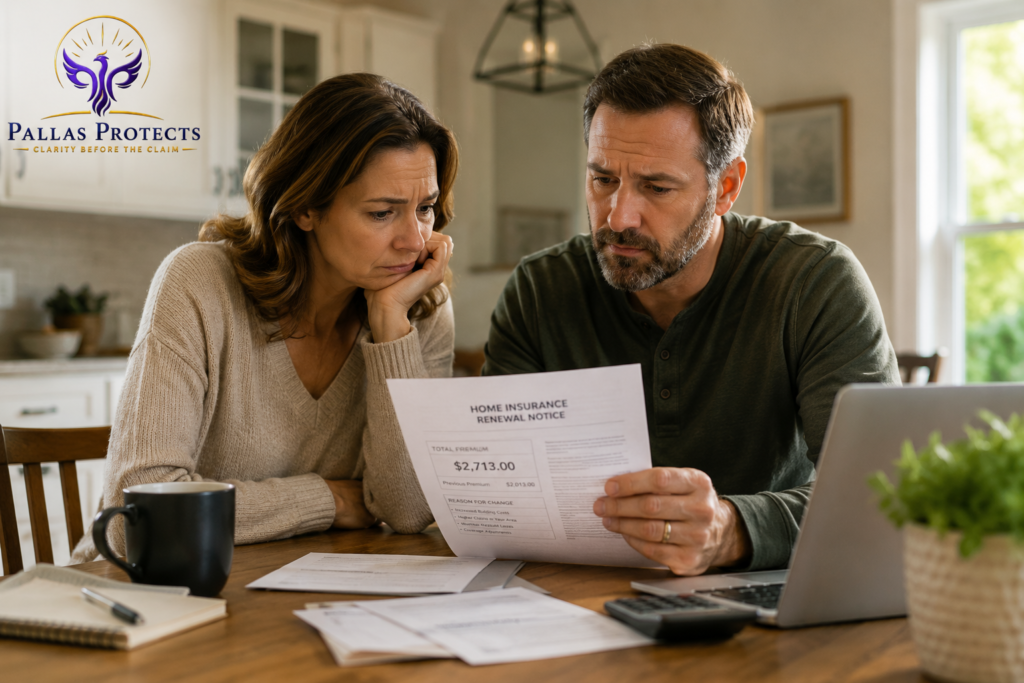

Many homeowners are surprised when their renewal arrives and the premium is higher than the year before – even if they have never filed a claim.
While it may seem like something changed with your individual policy, premium increases are often influenced by factors that affect entire regions, insurance companies, or the broader insurance market.
Understanding the most common reasons behind rate increases can help homeowners make more informed decisions when reviewing their coverage.
Rising Construction Costs
One of the biggest factors affecting homeowners insurance premiums is the cost to repair or rebuild homes.
Over the past several years, the cost of building materials, labor, transportation, and construction services has increased significantly in many areas.
When rebuilding costs increase, insurance companies often need to adjust coverage amounts and premiums to reflect the higher cost of repairing or replacing damaged property after a covered loss.
Increased Weather-Related Claims
Severe weather events have become more frequent and more expensive in many parts of the country.
Windstorms, hail, wildfires, hurricanes, and other catastrophic events can generate large numbers of insurance claims within a short period of time.
Even homeowners who have never filed a claim may see premium increases when insurance companies experience higher claim costs across a state or region.
Claims Activity in Your Area
Insurance pricing is not based solely on your personal claim history.
Insurance companies also evaluate claim trends within neighborhoods, cities, and broader geographic regions.
If an area experiences an increase in water damage claims, theft losses, liability claims, or severe weather losses, premiums may increase for homeowners throughout that area.
Changes in Your Home’s Risk Profile
Certain property characteristics can influence insurance premiums over time.
Examples may include:
- An aging roof
- Property condition concerns identified during inspections
- New underwriting guidelines from the insurance company
In some cases, homeowners may not be aware that a property’s risk profile has changed until renewal.
Prior Claims History
Claims can affect future insurance pricing, although the impact varies depending on the type, severity, and frequency of the losses.
Multiple claims within a relatively short period may result in higher premiums or fewer carrier options at renewal.
Not every claim will have the same effect, and underwriting practices vary among insurance companies.
Coverage Changes and Inflation Adjustments
Many insurance policies include automatic adjustments designed to help coverage keep pace with rising costs.
These adjustments may increase dwelling limits, other structures coverage, personal property coverage, and related policy limits.
While these changes can help maintain adequate protection, they may also contribute to higher premiums at renewal.
Insurance Company Rate Filings
Insurance companies periodically file rate changes with state regulators.
These filings are based on a variety of factors, including claim costs, weather trends, inflation, reinsurance expenses, and overall profitability.
As a result, homeowners sometimes experience premium increases even when nothing about their property or personal situation has changed.
Final Thoughts
A homeowners insurance premium increase does not automatically mean something is wrong with your policy.
In many cases, rate changes reflect broader market conditions, increased claim costs, inflation, or changes in underwriting standards.
Understanding why premiums increase can help homeowners evaluate their options, review their coverage, and make informed decisions at renewal time.